
You want videos that sound as professional as they look. Background noise, room echo and vibration can make editing harder and turn viewers away.
In this guide you’ll find five easy upgrades that let you reduce echo, control reflections and lower background noise without a major remodel. With a few strategic panels and damping layers you can get cleaner recordings, less time in post-production, and a more consistent voice or instrument sound.
Top Picks
| Category | Product | Score |
|---|---|---|
| 🏆 Best Overall | KILMAT 80 mil 36 sqft Butyl Sound Deadening Mat | 92 |
| 💰 Best Value | SD SODOCT 24 Pack 12 x 12 x 2 Inches Pyramid Acoustic Foam Panels | 82 |
| ⚡ Best Performance | CUKWUYBY 80 mil 36 sqft Car Sound Deadening Mat (33 pcs) | 88 |
| 🔊 Best for Bass Control | Siless Liner 157 mil 36 sqft Closed Cell Foam & Heat Insulation Mat | 85 |
| 🎯 Best for Beginners | Knightsacoustic 96 Pack 1 x 12 x 12 Inches Acoustic Foam Panels | 78 |
How We Picked These Upgrades
You want upgrades that make a measurable difference without huge cost or complicated installs. We prioritized: effectiveness at reducing echoes and rattles; coverage versus price (how much material you get); frequency range addressed (high-frequency absorption vs. low-frequency damping); ease of installation for a single person; user feedback on durability and real-world results; and versatility — products that work on walls, ceilings, doors or inside cabinetry.
The picks balance quick wins (acoustic foam) with foundational improvements (butyl and closed-cell layers) so you can pick changes that match your time, budget and technical comfort.
KILMAT 80 mil 36 sqft Sound Deadening Mat

This is a dense, self-adhesive butyl mat with a foil face that adds mass and damping to thin panels. If you want to quiet rattles or reduce resonance in doors, floors, trunks or even metal backs of furniture and equipment racks for a small studio, this stuff helps.
It’s thick enough to make a noticeable difference, sticks very well once you press it down, and the foil has an embossing indicator so you know when it’s smoothed out correctly. For curved areas you can warm the sheets with a heat gun and use a roller to get full contact. Wear gloves while you work and prep the surface clean and dry. If you want a budget-friendly way to add mass and reduce mid/high frequency ringing in DIY studio panels or a small vocal booth, this is one of the more practical options.
What People Say
Users report clear reductions in rattles and road or panel noise, note the strong adhesive once properly rolled, and recommend using rollers and a heat gun for curved areas. Many found it easy to cut and install and say it noticeably tightens bass response.
Overall Sentiment: Positive

🗣️ Mudd
We got this sound deadner for my boyfriend’s work van and it made a huge difference. Road sound is non-existent. It is really easy to use. I purchased 2 different sizes rollers and used a heat gun to soften the tiles prior to applying to the curved areas and it worked perfectly. No odor. Very impressive. Highly recommend.
🗣️ Digital Nomad Life!
Bought this for my 2018 Accord. Installation was a full day but the adhesive is strong once it’s on. Using a good roller matters. High-pitched road noise was cut by at least half, doors close with a solid thud, and bass tightened up. One box covered four doors and trunk floor.
Versatility
You can use the sheets on car doors, trunks and floors, but they also work on metal equipment racks, the backs of cabinets, amp enclosures or DIY studio panels where adding mass helps tame ringing. For curved spots, soften with a heat gun and press with a roller.
Safety
Wear gloves to protect your hands from sharp foil edges and install in a well-ventilated area when prepping metal surfaces. Keep the work area clean and follow manufacturer’s assembly guidelines after installation.
Durability
Reviews describe the adhesive as very strong once applied and the foil facing as tough; when installed correctly and rolled down, panels stayed secure and sound improvements persisted over time.
What It Fixes
This product tackles panel vibration, door and trunk rattles, and high-frequency ringing—translating to tighter bass and less distracting resonance. For a studio, it helps reduce lightweight panel resonance and makes recordings sound cleaner.
Key Benefits
- Adds mass to panels to reduce vibration and resonance
- Self-adhesive butyl backing for strong long-term hold
- Embossed foil indicator helps ensure proper installation
- Works well on flat and gently curved surfaces with heat and a roller
- Lightweight sheets that are easy to cut and trim
Rating: 4.8 (total: 15396+)
SD SODOCT Pyramid Acoustic Foam (24 Pack)

If you’re trying to tame room echo without rebuilding walls, this 24-pack of 12 x 12 x 2-inch pyramid panels is a simple, low-effort upgrade. You can stick a few behind your mic, cover reflections on the wall behind your desk, or make a tighter vocal corner for streaming or voiceovers. The pyramidal surface helps scatter and absorb mid-to-high frequencies, so real-world recordings will sound less boxy and more controlled. Installation is lightweight and straightforward — most people use spray adhesive, double-sided tape, or a few screws — but note adhesive isn’t included.
Reviewers say density and fire resistance are useful bonuses, and the black finish looks tidy on camera. These won’t fully block outside noise, but if you want clearer dialogue or less reverb for daily videos, live streams, or a special recording session, they’re a practical, low-commitment choice you can try quickly.
What People Say
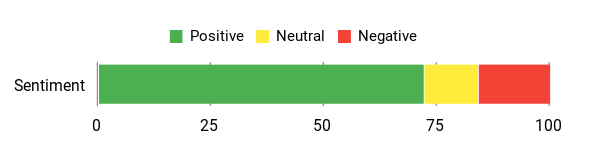
Users commonly report noticeable reductions in room echo and an immediate improvement in recording clarity. Several reviewers mention the panels feel dense and look professional, while many recommend buying adhesive or double-sided tape since it’s not included.
Overall Sentiment: Positive
🗣️ Melissa
I bought this 24-pack to improve my home studio and noticed a clear drop in echoes and reverb. The pyramid shape disperses sound well, the panels feel dense, and being fire resistant is reassuring. They were easy to fix to walls with a good adhesive and the black finish looks professional.
🗣️ Midnightgaming
Shipping was fast and they work well to muffle loud sounds you don’t want everyone to hear. They don’t come with adhesive, so I used double-sided tape, and the panels helped reduce noise and soften reflections in my room.
Versatility
You can use these on a single reflection point behind a mic, around a desk for streaming, as a backdrop for talking-head videos, or to soften a room for a one-off recording session. They’re useful for daily uploads, podcasting, and occasional live performances where you want cleaner vocals without structural changes.
Safety
Panels are made from flame-retardant foam, which reviewers appreciated for peace of mind in small rooms with equipment. A few users advise airing panels out after unboxing because of a solvent smell until they fully expand.
Durability
Most buyers find the foam holds shape and performance over time when properly mounted. A minority reported issues like panels not fully expanding or weak adhesive from mounting methods, so using a reliable adhesive and letting panels recover fully after unpacking helps longevity.
What It Fixes
These panels target room reflections and mid/high frequency reverberation, making dialogue and vocals clearer. They’re not intended for full soundproofing or stopping loud external noise, but they do make a noticeable difference for echo control in small studios.
Key Benefits
- Reduces echo and reverberation for clearer speech and recordings
- Pyramid shape increases surface area for better diffusion
- High-density, flame-retardant foam adds safety and performance
- Lightweight panels are easy to position on walls or ceilings
- Aesthetic black finish that looks professional on camera
Rating: 4.0 (total: 2917+)
Siless Liner 157 (4 mm) 36 SqFt

This self-adhesive closed-cell PE foam is essentially a thin, flexible sound-deadening and thermal liner you can stick to panels and flat surfaces. In a YouTube studio you can use it behind drywall, inside wall cavities, under speaker mounts, or as a thin sublayer behind acoustic panels to cut vibration and reduce ringing.
It’s lightweight, waterproof, and molds to curves, so it’s handy for awkward surfaces — but it bonds strongly, so plan your placement before you press it down. Reviewers also recommend using it on top of a butyl layer if you want a bigger step toward real sound control. For everyday videos, streaming, or a focused recording session, this is a practical, low-profile way to tame rattles and reduce reflected energy without rebuilding walls.
If you want something that’s easy to try and stays in place, it’s worth testing in a few trouble spots around your room.
What People Say
Users praise the strong adhesive and real-world noise reduction, especially when used with a butyl layer underneath. People say it molds well to tricky surfaces and significantly reduces vibration and panel noise, though it’s hard to reposition once stuck.
Overall Sentiment: Positive

🗣️ stookie778
By itself the Siless Liner will noticeably reduce noise, but the best results came when I put it over butyl rubber first. I covered every panel I could and then added this foam on top — it cut vibration and made conversations and hands-free calls much easier. A roller made installation quick and smooth.
🗣️ Amazon Customer
We used this on our cargo van roof and it molded over all the angles perfectly. Once it sticks you can’t peel it off cleanly, so you do need two careful people for big sheets. It’s easy to cut and really helped with sound deadening and a bit of insulation; I would have liked a thicker option but it did the job.
Versatility
You can use it behind drywall or inside wall cavities, under speaker mounts, around door and window frames, or under rigid acoustic panels. It’s helpful for one-off fixes (like knocking down a buzzing vent) and for longer-term studio upgrades where you don’t want to rebuild walls.
Safety
Rated to operate up to about 215 °F (around 100 °C) and made from closed-cell PE foam that doesn’t absorb moisture or give off strong odors. It’s a low-risk material for small studio spaces, but check local fire-safety guidance for any permanent installations.
Durability
The foam holds up well once bonded — reviewers report it stays adhered to metal and panels for years. That strong adhesive also means removal can tear the material or require effort, so plan placements and use proper cutting and installation tools.
What It Fixes
This product tackles panel vibration, rattles, and some mid/high frequency reflections by adding mass and damping. It won’t fully soundproof a room or stop loud external noise, but it’s effective at reducing resonant rattles and improving perceived sound quality when used at reflection or vibration points.
Key Benefits
- Adhesive closed-cell foam that reduces vibration and rattles
- Lightweight, flexible material that conforms to curved surfaces
- Waterproof and odorless — won’t absorb moisture
- Acts as a thermal barrier and blocks radiant heat
- Easy to cut and trim to fit tight spots or behind panels
Rating: 4.5 (total: 3752+)
CUKWUYBY 80mil Sound Deadening Mat
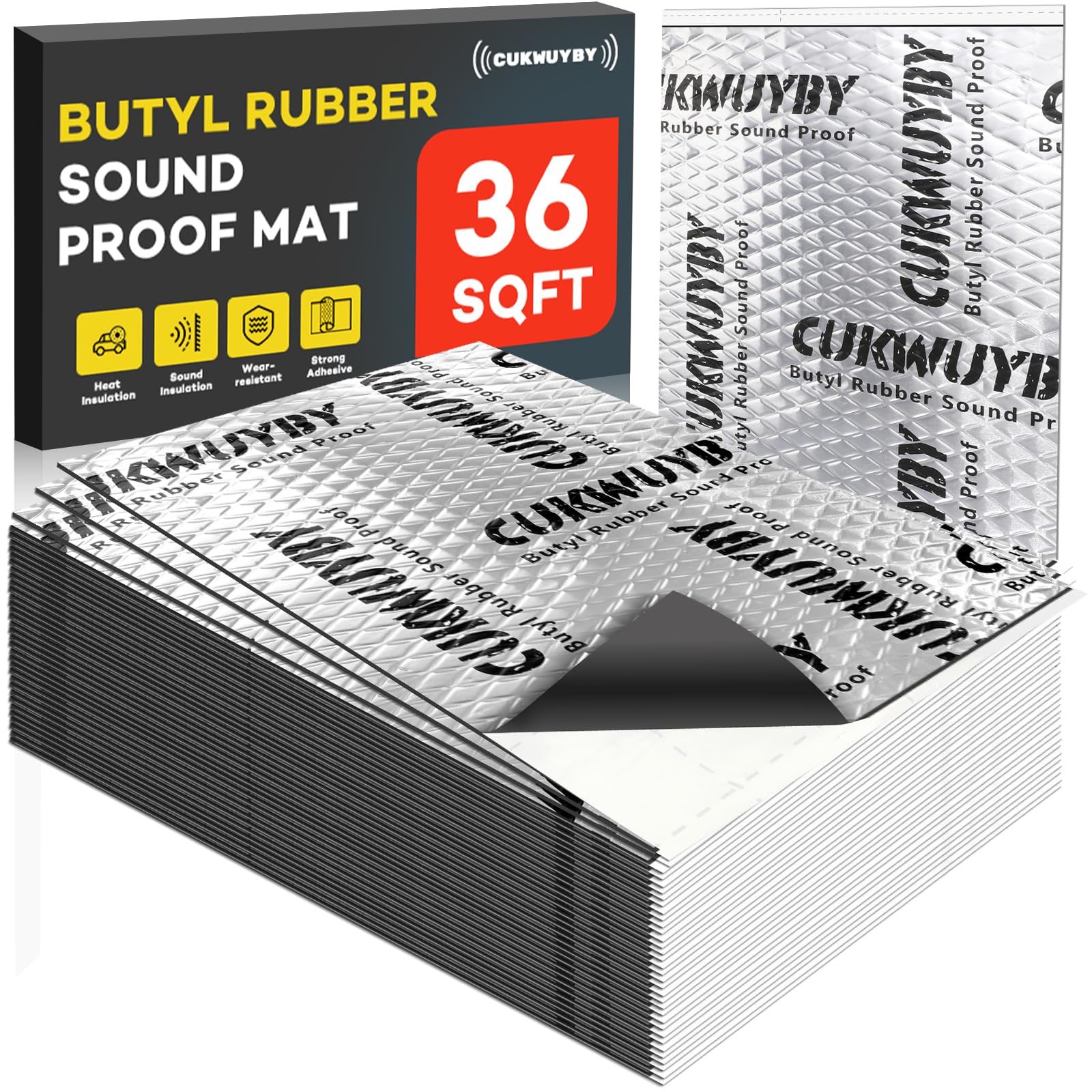
This is a dense, peel-and-stick butyl sound deadener built to stop panel vibration and tame rattles. It’s made with an aluminum foil layer for heat reflection, a butyl rubber core that soaks up vibration, and a strong adhesive backing that wants to stay put.
In a YouTube studio you can use it behind metal racks, under floorboards, inside gear cabinets, or as a mass layer behind thin wall panels to reduce mechanical buzz and cabinet resonance. For everyday recordings it helps remove rattles and knocks from stands, doors, or HVAC covers; for special shoots or live streaming sessions it gives you a quieter baseline so vocals and mics don’t pick up distracting vibrations.
Installation is straightforward — clean the surface, cut to size, peel the liner and press — just wear gloves if you’re handling cut edges of the foil. If you need to stop airborne noise entirely, pair this with acoustic absorption (panels or bass traps), but if you just want to kill rattles and make metal and thin surfaces behave, this is a useful, long-lasting layer to try.
What People Say
Buyers highlight the strong adhesion and real-world vibration reduction. Many report no lingering smell and that once installed the sheets stay put even in hot conditions.
Users also note it’s best for damping panels and structural noise rather than treating airborne echo.
Overall Sentiment: Positive

🗣️ Josh Zaragoza
Used this sound deadening on a Tacoma. Clean the mounting surface with soap and water, then wipe down with isopropyl alcohol and then peel and stick. Once they are on they aren’t coming off and there was no smell. The doors sound like a Lexus
🗣️ Destiny
This product does a great job on reducing road noise and vibration. It is easy to apply. Just make sure the surface is clean. It’s very sticky and stays in place. We’ve installed it inside cabs, doors, floors, firewall, walls and ceiling with noticeable improvement
Versatility
Although designed for vehicles, you can repurpose it in a studio on metal racks, inside equipment cabinets, beneath floor coverings, or as a mass layer behind drywall or thin panels. It’s great for one-off fixes (like stopping a buzzing door) and for targeted upgrades where you don’t want to rebuild walls.
Safety
The adhesive is high tack and the aluminum foil edges can be sharp, so wear gloves when cutting and installing. The material is waterproof and stable once bonded; for permanent wall installations check local fire-safety recommendations.
Durability
Reviewers report the adhesive holds up in heat and long-term use, with sheets remaining stuck for years. The surface is wear-resistant and the material resists peeling when properly applied to clean surfaces.
What It Fixes
This product excels at stopping resonant rattles and reducing vibration-related noise from panels, doors, and cabinets. It won’t fully soundproof a room or absorb mid/high frequency reflections, but used in the right spots it noticeably cleans up mechanical and structural noise.
Key Benefits
- Thick 80 mil butyl core that dampens panel vibration
- Reinforced aluminum foil layer reflects heat and adds rigidity
- High-tack adhesive for a permanent bond on clean surfaces
- 36 sq ft coverage in small, manageable sheets
- Waterproof and wear-resistant for long-term installs
Rating: 4.5 (total: 64+)
96 Pack Acoustic Foam Panels
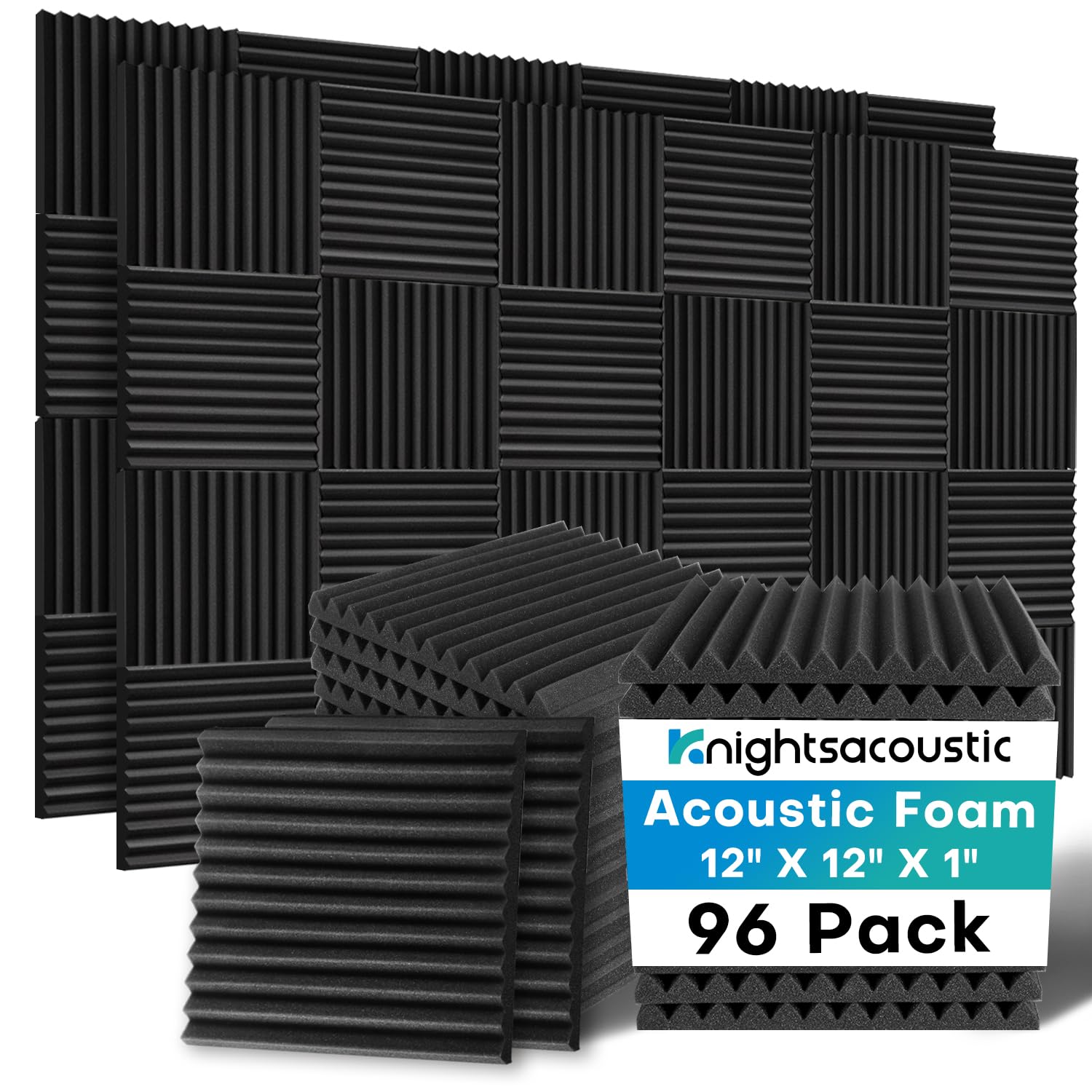
If you’re trying to tame echoes in a small YouTube studio without a full renovation, this 96-pack of 1″ acoustic foam wedges is the kind of basic, practical upgrade that actually helps. You’ll want to think of these as echo controllers, not a magic soundproofing blanket—put them where reflections bounce (behind your mic, on the wall behind you, or around hard corners) and they’ll noticeably reduce high-frequency ringing and make dialogue sound clearer. They’re lightweight, resilient, and meant to recover shape after being compressed; some people even revive flattened pieces by briefly wetting and drying them. For everyday recordings they give you a cleaner vocal track; for special livestreams or interviews they reduce room glare so your audio sounds more focused.
Quick tip: they don’t come with adhesive, so plan a mounting method (adhesive dots, double-sided tape, or mounting them onto a removable foam backer). If you want to cut low-end rumble, add bass traps or heavier mass layers, but for affordable, widespread echo control these panels are an easy, practical choice.
What People Say
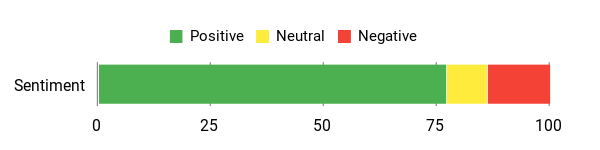
Buyers say these panels do a solid job dampening echo and improving vocal clarity, especially when placed at reflection points. Common notes: some units arrive a bit flat or with a mild smell that most people fix by airing or briefly washing/drying, and the lack of adhesive means you’ll need mounting supplies.
Overall users value the coverage and the improvements in room sound when panels are positioned thoughtfully.
Overall Sentiment: Positive
🗣️ Benny
After arrival some pads were flat and there was an odor, but soaking, wringing and drying a few at a time removed the smell and fluffed every pad; they reduced echo once up and held fine with adhesive dots.
🗣️ Me
I turned groups of tiles into removable panels by gluing them to 1/2″ styrofoam with contact cement, then used long tacks to hang them—made installation tidy and added extra dampening.
Versatility
Great for DIY studio setups — use them behind microphones, on the wall that faces the camera, on doors, or on ceilings above your desk. You can mount them directly with adhesive dots, attach groups to a removable backer for temporary sets, or combine them with bass traps and heavier panels for fuller treatment.
Safety
Panels are described as low-odor and non-toxic; still, if you air them out after unpacking you’ll avoid any initial smell. When cutting or mounting, wear gloves if you’re handling sharp tools or adhesives, and follow any local fire-safety guidance for foam on walls.
Durability
Made from high-grade foam that springs back after compression; reviewers report panels recovering within hours or after a quick soak-and-dry treatment. With proper mounting they stay put and maintain shape over time, though physical damage or edge wear can occur if handled roughly.
What It Fixes
These panels are best at controlling mid-to-high frequency reflections and breaking up flutter echoes — they won’t stop loud external noise or low-frequency bass. Use them to make speech and vocals sound clearer, and pair them with bass traps or denser mass layers if you need deeper soundproofing.
Key Benefits
- Cuts high-frequency reflections and reduces room echo
- High-density foam with good resilience — recovers shape after compression
- Large pack gives wide coverage for walls, ceilings, and corners
- Low-odor, non-toxic material for indoor use after airing/conditioning
- Lightweight and easy to adapt to custom mounting methods
Rating: 4.1 (total: 268+)
FAQ
How Much Noise Reduction Can You Expect From These Upgrades?
You should expect these five easy upgrades to make a noticeable difference in two ways: they will reduce echoes and mid/high frequency reflections inside your room and they will damp vibration-related noises from panels or equipment. They are not a guarantee of full soundproofing; blocking loud external noise sources like traffic or neighbors usually requires adding mass and sealing structural gaps, which is more involved. For most YouTube creators, combining a vibration-damping mat (useful on metal or thin panels), a closed-cell underlayment for basic insulation, and acoustic foam at first-reflection points will give much cleaner recordings and tighter playback without having to rebuild the room.
What Should You Consider When Buying Soundproofing Materials For Your Studio?
Start by deciding whether you need to block outside noise or just control room acoustics, because those require different products. Check material function and specs: butyl or rubber-backed mats are great for vibration damping and panel rattle, closed-cell foam adds thermal and some insulating value, and wedge or pyramid acoustic foam targets mid/high frequency reflections; look for fire-resistance claims and coverage area so you know how much to buy. Think about permanence and installation: some mats have extremely aggressive adhesive and are effectively permanent, so wear gloves and be sure of placement; many foam panels arrive without adhesive and will need spray glue, double-sided tape, or removable hanging methods if you want to avoid wall damage. Finally, confirm odor and off-gassing expectations by reading reviews and letting foam panels air out before installing if you’re sensitive to smells.
How Do You Install And Combine These Upgrades For The Best Results?
Begin by sealing obvious air leaks around doors, windows and cable pass-throughs, because seal gaps first and you’ll get the most benefit from the rest of your upgrades. Clean and degrease metal or hard surfaces before applying any butyl sound-deadening mat and use a roller and, if needed, a heat gun to conform pieces into curves; wear gloves because the adhesive is strong.
Apply closed-cell foam or underlayment on large flat panels or ceilings to add insulation and reduce low-mid resonance, then place acoustic foam at primary reflection points and above your microphone to tame slap and reverb; if you need extra low-frequency control consider adding dense furniture, bookcases, or purpose-built bass traps. Test as you go with a simple voice recording or clap test and adjust placement, and know that some materials are effectively permanent while others are removable, so plan accordingly.
Creators Top Picks
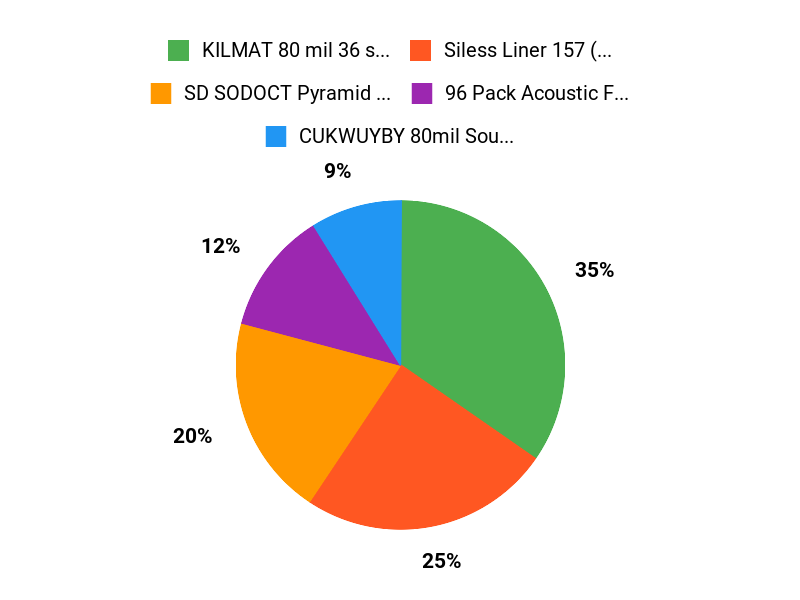
You’ll pick between these based on what problem you’re solving: KILMAT’s heavy 80 mil deadening mat is favored when you need real low‑frequency and vibration blocking, the SD SODOCT pyramid foam is what you reach for to tame mid/high‑frequency echoes and treat walls/ceilings, and the thin Siless Liner 157 is useful as an affordable underlayer that adds insulation and some airborne noise reduction. When choosing, you typically prioritize the type of noise you’re treating (bass vs. echoes), coverage needed and permanence, ease of installation, and your budget.
Wrapping Up
By making a few targeted changes you can dramatically improve your recordings. Start with acoustic foam panels to tame reflections and add butyl or closed-cell layers to stop vibrations and low-frequency rumble.
If you’re on a budget, begin with affordable foam for mid/high frequencies; if you want a bigger jump in clarity and bass control, add a butyl deadener and a closed-cell underlayer. You’ll spend less time fixing audio in post, hear clearer voice and music in your monitors, and give your videos a more professional, consistent sound.
| Product | Image | Rating | Materials | Dimensions & Weight | Recommended Use Cases |
|---|---|---|---|---|---|
| 80 Mil 36 SqFt Car Sound Deadening Mat | 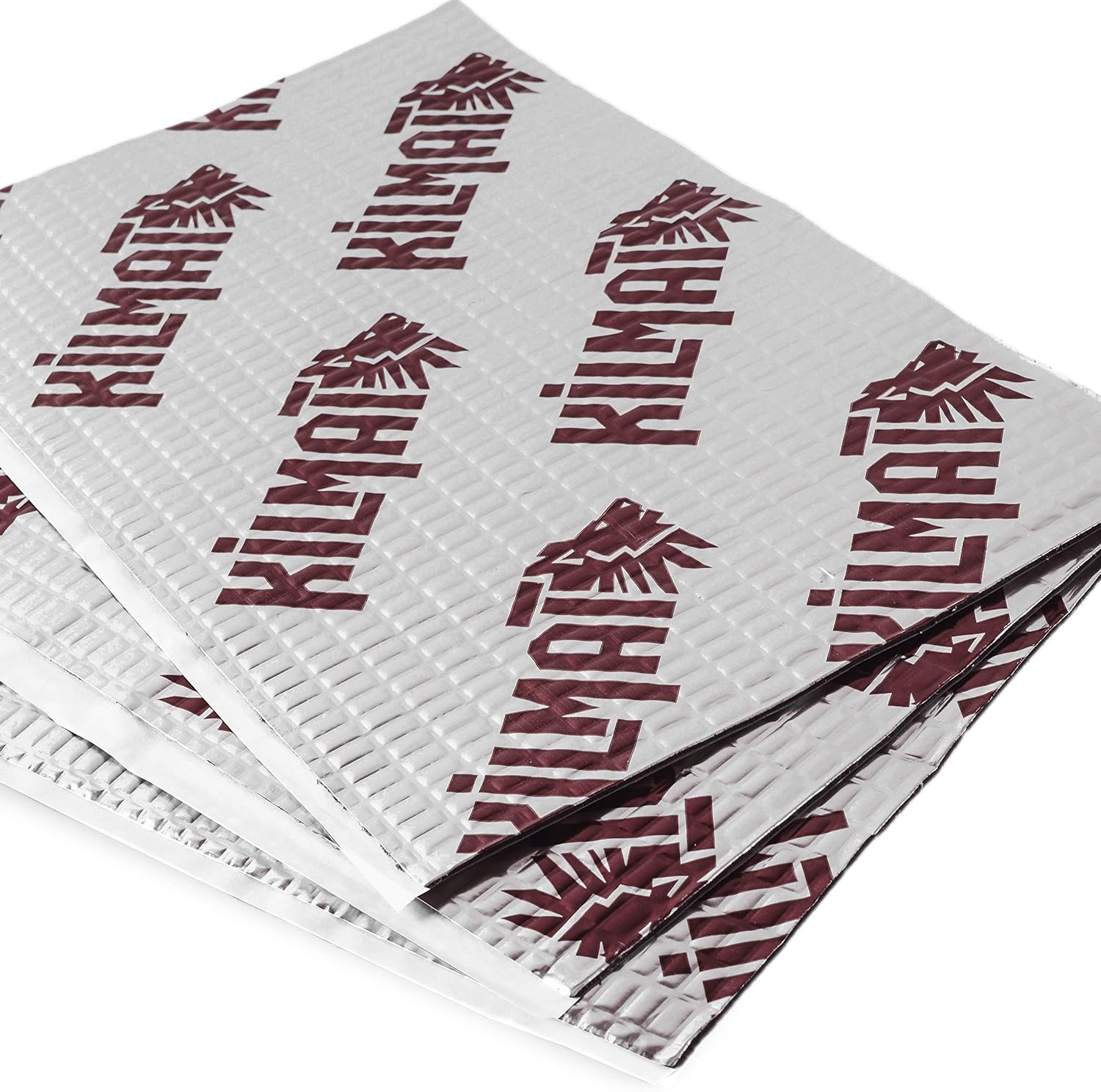 | 4.8/5 (15,396 reviews) | Butyl based material | 15.7 x 9.8 x 0.1 inches, 17 pounds |
|
| 24 Pack-12 x 12 x 2 Inches Pyramid Designed Acoustic Foam Panels |  | 4.0/5 (2,917 reviews) | High density foam, fire resistant | 12 x 12 x 4 inches, 3 pounds |
|
| Siless Liner 157 (4 mm) Car Sound Deadening Closed Cell Foam |  | 4.5/5 (3,752 reviews) | Closed cell foam | 330.7 x 15.74 x 0.04 inches, 2.6 pounds |
|
| Sound Deadening Material for Cars, 80mil (2mm) |  | 4.5/5 (64 reviews) | Rubber based material | 15.75 x 9.84 x 0.1 inches, 18.48 pounds |
|
| 96 Pack Sound Proof Foam Panels for Walls |  | 4.1/5 (268 reviews) | High density foam | 12.6 x 6.57 x 12.6 inches, 7.58 pounds |
|
This Article is reader-supported. When you click through links we may earn a referral commission on qualifying purchases.